Our most read stories in 2025
We don’t put too much store in online metrics, because NYRA is unusual among contemporary publications: We have more readers in print than online. That is intentional. We think you will have a better experience reading NYRA in print, where we have your full attention, than online, where we are just one of a dozen open tabs. This is why we price our online and print subscriptions the same. Simply put, we would rather you read our print magazine.
That said, readers are finding us online—indeed, in the last few months of this year we have seen our website’s traffic almost double. And unlike with our print readership, we know which articles are attracting the most readers. We have therefore gathered our five most-read pieces of 2025 here, for your reading pleasure.
But before you dive in, let us make one more plug for the print magazine: We are kicking off our New Year’s sale, offering a full year of issues for just $25 (that is, 47.9 percent off!) for the next two days. Start one, and as soon as we come back to the office next week we will mail you a copy of our current issue. Already a subscriber? Make us part of your end-of-year giving with a tax-deductible donation: All proceeds before January 1 will be used to purchase gift subscriptions for students and those who could not otherwise afford them at the same discounted rate.
Wrecking Ballroom
Trump is tearing down the White House. Good riddance.
Kate Wagner
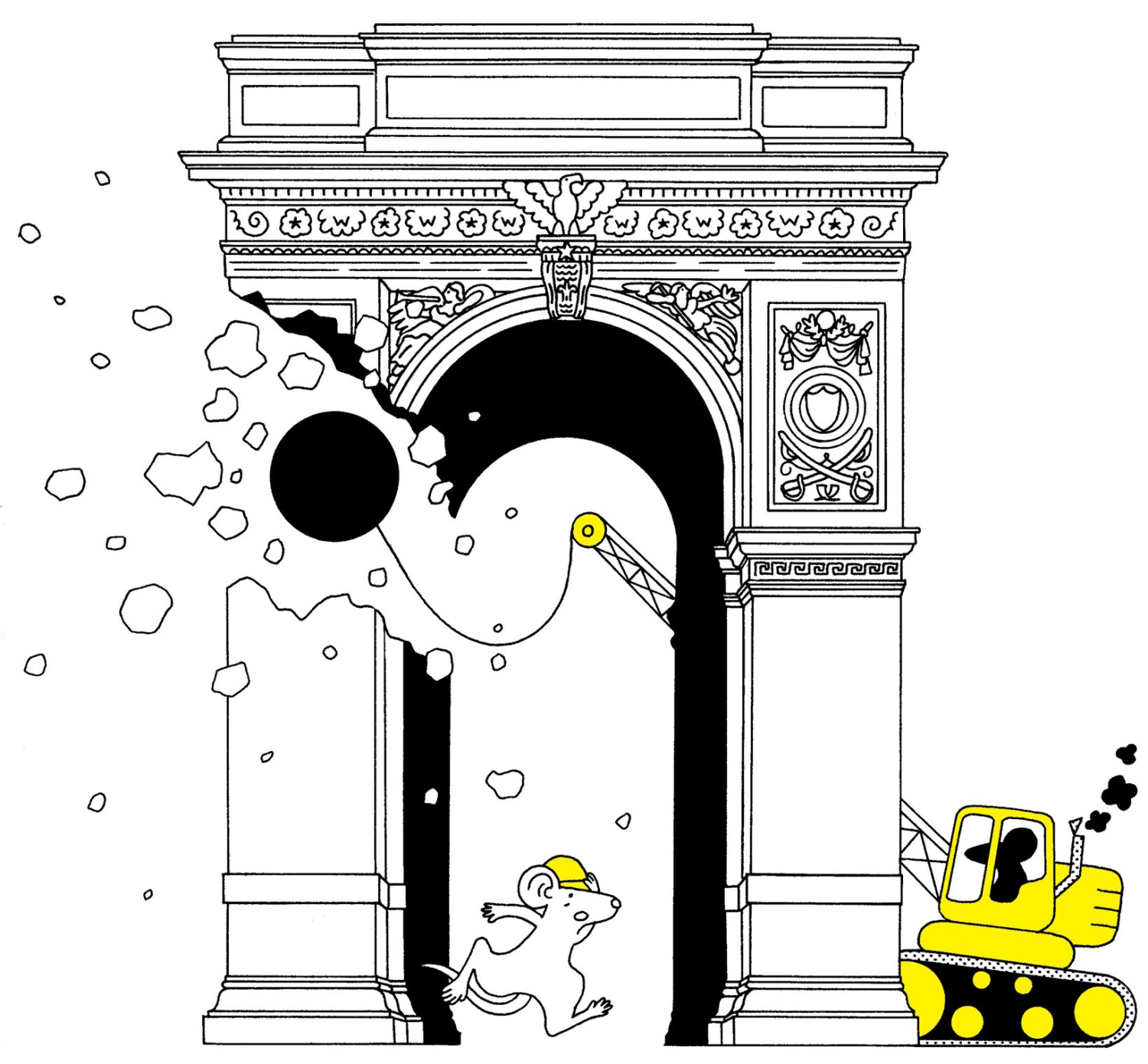
If there’s one thing Trump is excellent at doing, it’s inciting outrage among vast swaths of the population. The ongoing ballroom-cum–demolition derby debacle at the White House is no exception, the president deploying wanton destruction, donor corruption, and outright lies—with design choices at the intersection of nouveau riche and neoclassique—in a way that by now feels entirely predictable. As, in this case, it was: Trump is obsessed with monumentalizing his own existence, so it was only a matter of time until he finally decided to take his Roman Statue Twitter guy courtiers up on their offer to “make federal architecture beautiful again.” Since the Obama years, Trump has been talking about the need for a White House ballroom to replace the temporary tents and regalia hauled out during state dinners, and part of this project’s sour-grapes backstory (one more Trumpian hallmark) is that he claims to have once proposed the idea to his predecessor’s adviser David Axelrod, only to be snubbed.
Waymo Money, Waymo Problems
Robots take to the roads—and clog the sidewalks.
Joanne McNeil
The first time I noticed a delivery robot in Echo Park, where I live, I decided to follow it.
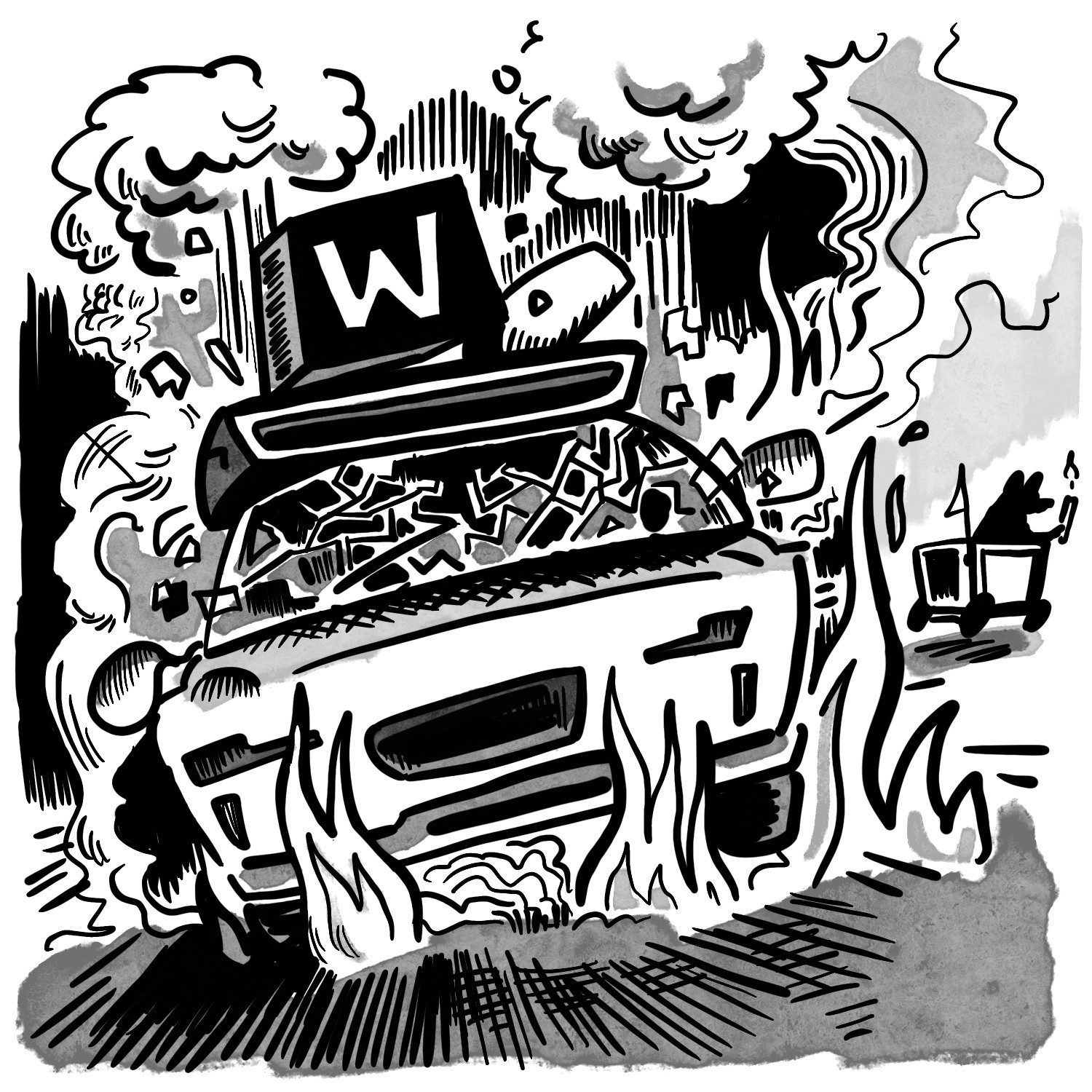
It was the end of June. Immigration arrests tripled that month compared with the same period in 2024. Los Angeles was rattled from the heightened presence of federal law enforcement. A few weeks earlier, people had gathered downtown to protest the ICE raids on restaurants, car washes, and other worksites. Hundreds had taken to the streets in solidarity with communities facing detention and deportation, and some of the most widely shared images from these demonstrations showed Waymo vehicles tagged with graffiti and set aflame. It was around this same time that the autonomous ride-hail service, a division of Google’s parent company, Alphabet, expanded its geo-fenced area to include my neighborhood.
The Unbearable Lightness
The dark side of constant illumination
Elvia Wilk
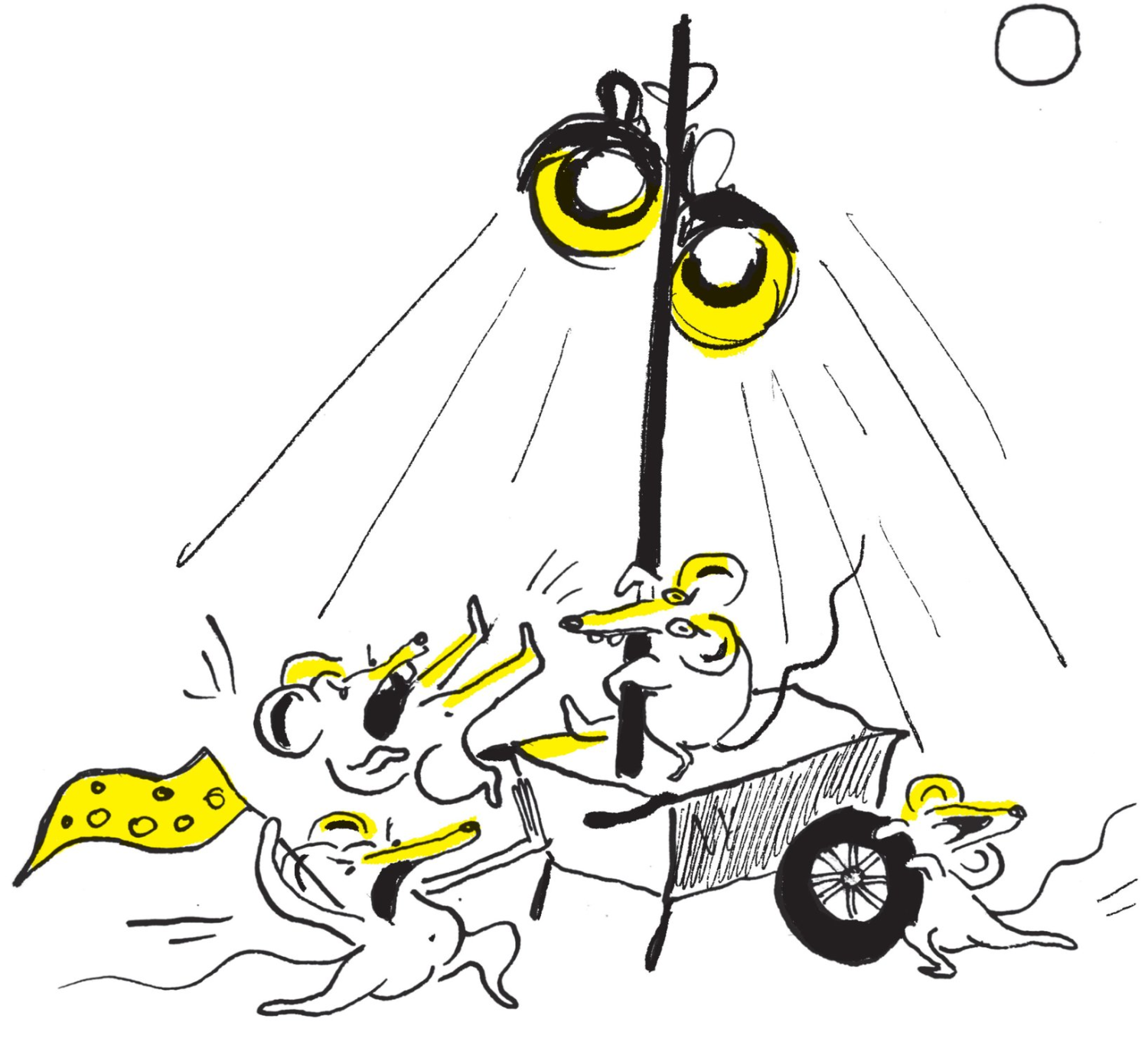
“THE CITY THAT NEVER SLEEPS.” I despise that tagline with the disdain I reserve for anything that is right for the wrong reasons—true in letter but disingenuous in spirit. New York City is indeed a hard place to sleep, and partly for the reason the maxim implies: There’s so much to do here! So much to consume! But crucially: To afford any of it, you can’t stop working long enough to rest. The cost of living makes this city the apotheosis of what art historian Jonathan Crary described in his 2013 classic 24/7: Late Capitalism and the Ends of Sleep, a coerced state of nonstop productivity. In such a state, economic demand is packaged as hustle culture; rest is squeezed into smaller and smaller slivers of time; devices keep us overstimulated and always on; and we simply cannot afford to unplug. I haven’t been to Times Square since I was a teenager, but I feel the bright lights of the big city blazing down on me in the perma-fluorescents in the subway car, the blinking red surveillance cameras on the street corner, and the constantly glowing screen in my hand.
Where the Sidewalk Ends
To have Jane Jacobs, we need to go beyond Jane Jacobs.
Andy Battle
I TEND TO RECOIL FROM DUTY. For this reason, despite allegations that I am a historian of US cities in the postwar era, I had never sat down and read cover-to-cover the book that, for many lay readers and not a few specialists, constitutes the first and last word on the subject. Over and over, students in the classes I teach would invoke the marquee ideas from this text, less as argument than as doxa, settled points upon which no agreement need be solicited. In a way that permitted the appearance of great wisdom, I would nod calmly, ecumenically. My serene visage, I imagined, communicated a kind of benevolent omniscience. Of course there is room in me for all of this. But—and I wonder if anyone noticed—I would take no real position. Inwardly, I would shrug my shoulders. Something in me didn’t want to go there.
Rat’s Amore
Infested and loving it in New York City
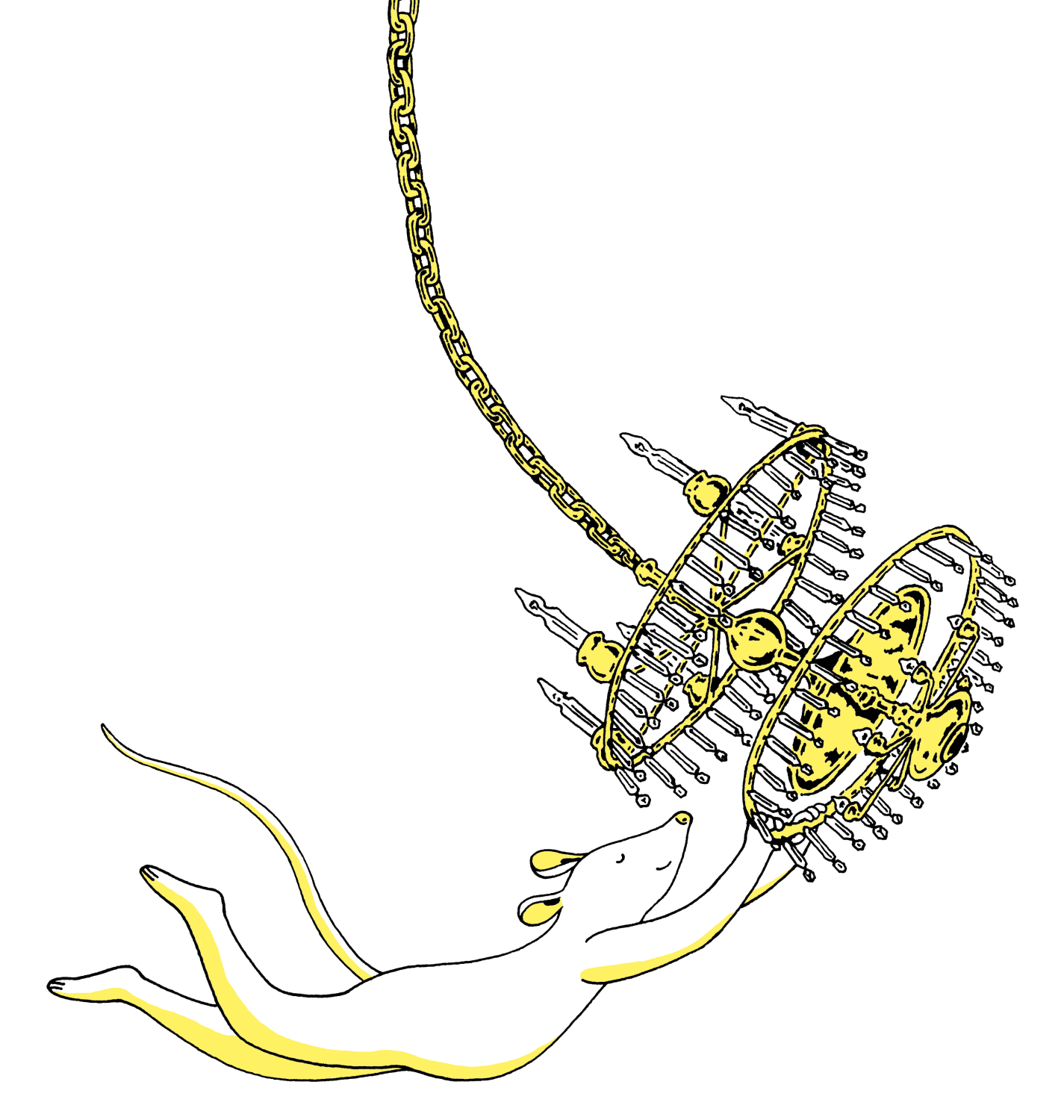
By Aaron Timms
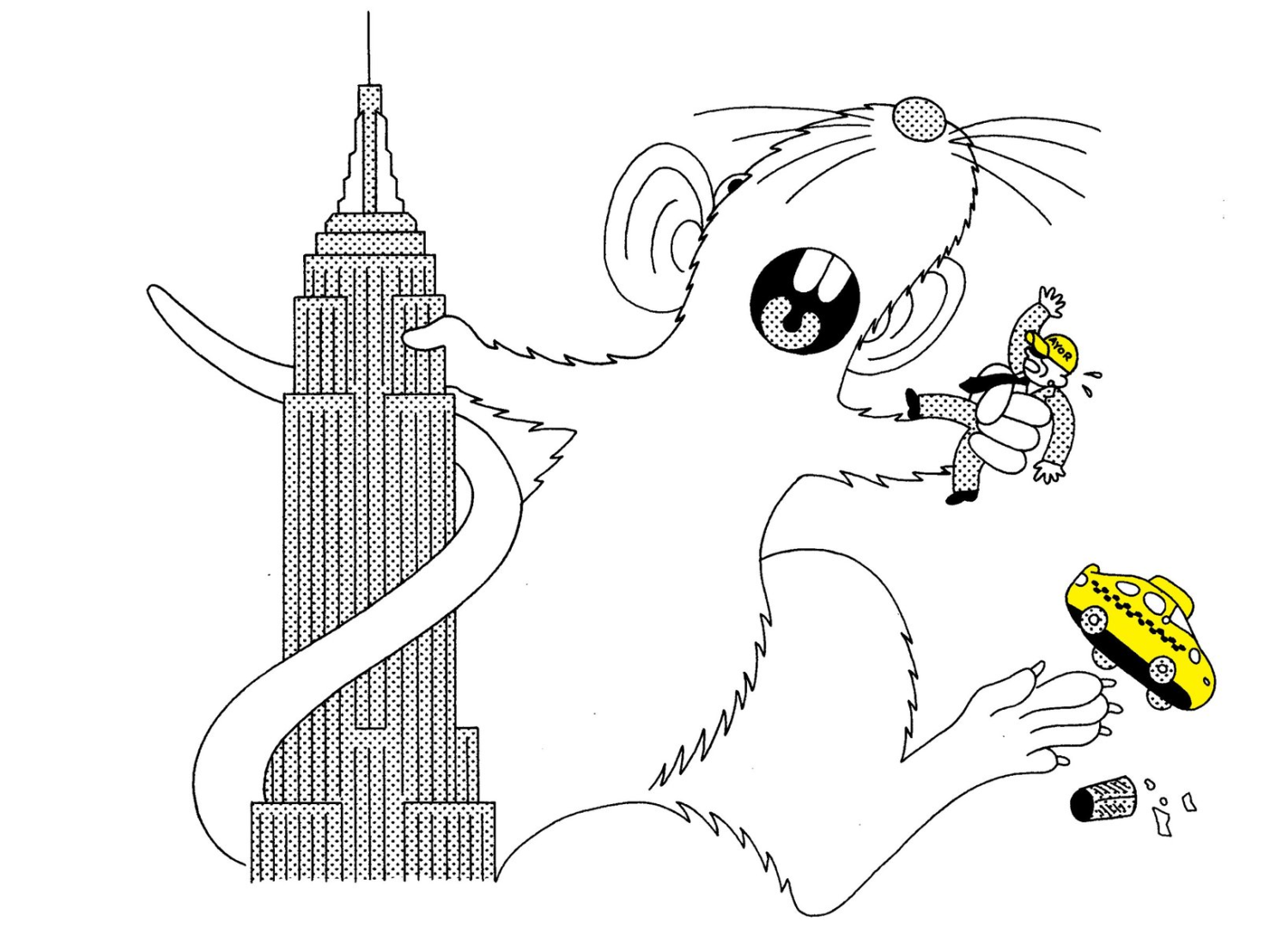
OVER THE PAST FEW MONTHS, whenever I’ve told people I’m working on a piece about the rats of New York, I’ve received a volley of advice on how to describe the city’s varmints-in-chief and our relationship with them. “Make sure you mention how cute they are!” one friend urged; another called them “our furry buddies,” as if they were upholstered Tamagotchis. The brown rats common to New York are, of course, entirely dependent on humans and the waste we produce for survival; their presence among us is a sign of prosperity and excess, of civilization even. They are our followers, our mirror species, our effluvial offspring: Where go humans, so go rats. Above and below the ground we lead parallel lives, and with each passing year it’s becoming harder to say who has the better side of the bargain. But the affection for the rodent enemy evident in these reactions took me by surprise. Do we want what they have: the freedom to eat and play and mate with dancing abandon before the sweet release of an early death? Do we envy the rats for their enjoyment of a life unburdened by having to know what Grok AI is? Or are we simply jealous that some form of life, even if it’s not human, has found a way to live in New York rent-free?