My Punny Valentine
As a token of our affection, we’ve lifted the paywall from a selection of our most-loved articles, personally introduced by NYRA staff below. If you are moved to subscribe after reading them, today’s the last day to use this link for a free “Rat’s Amore” T-shirt!
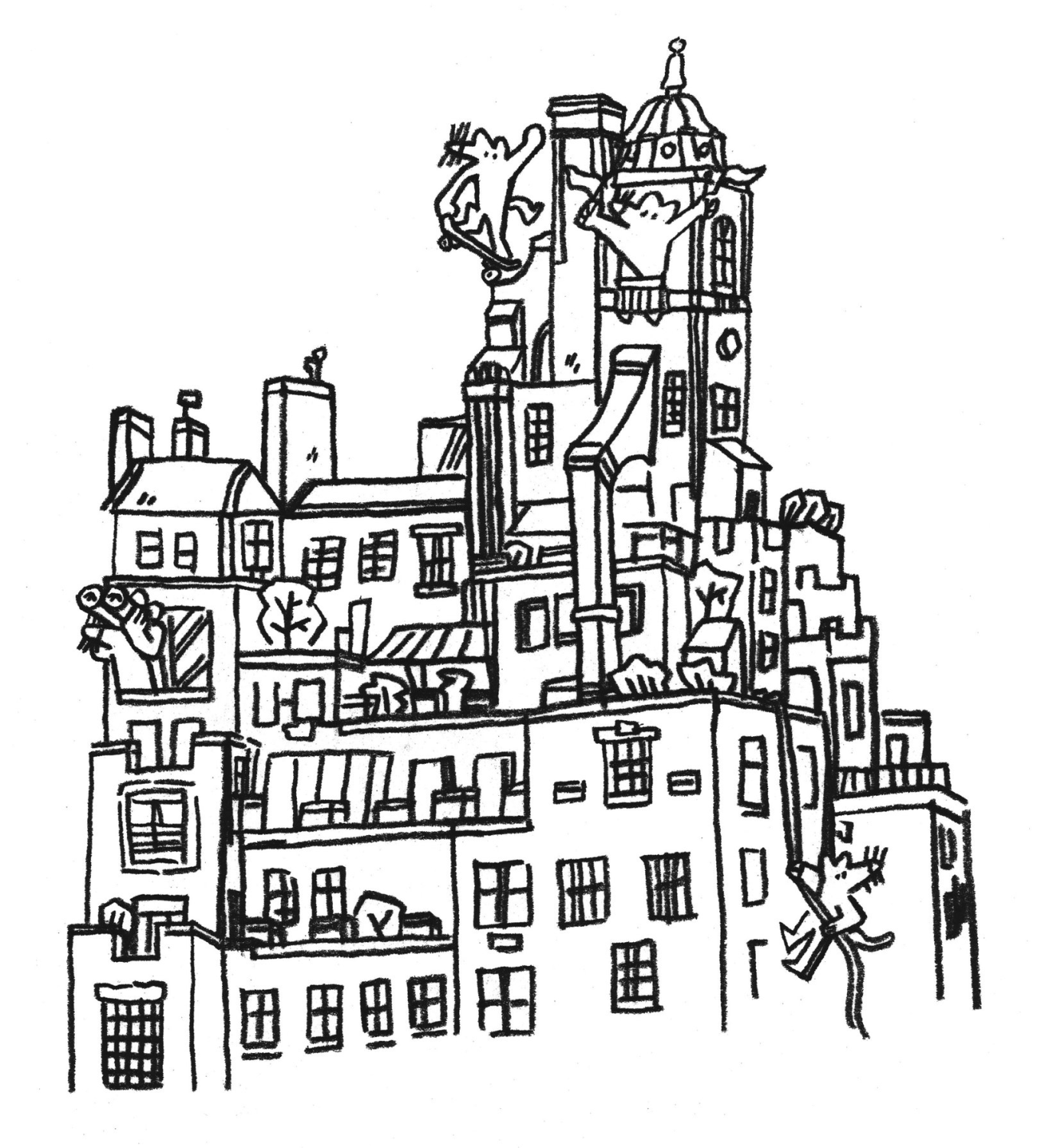
“This Side of Paradise” by Marco Roth, NYRA #49
Marco Roth’s review of a coffee-table book about the architect (and low-key cryptographer) Rosario Candela does not begin where one might expect—i.e., with dutiful mention of both the coffee-table book and Candela. Instead, Roth conjures the inner spaces—and inner life—of his childhood home on Central Park West. “There were burrows, closets, places to hide, rooms to feel enwombed in,” he writes, sounding a little like the world’s most eloquent real-estate broker. This extended “dilation” segues, as it must, into a discussion of the coffee-table book and Candela, but the language retains its suppleness throughout. It’s one of the most pleasurable pieces of prose NYRA has ever published.
—Samuel Medina, Editor
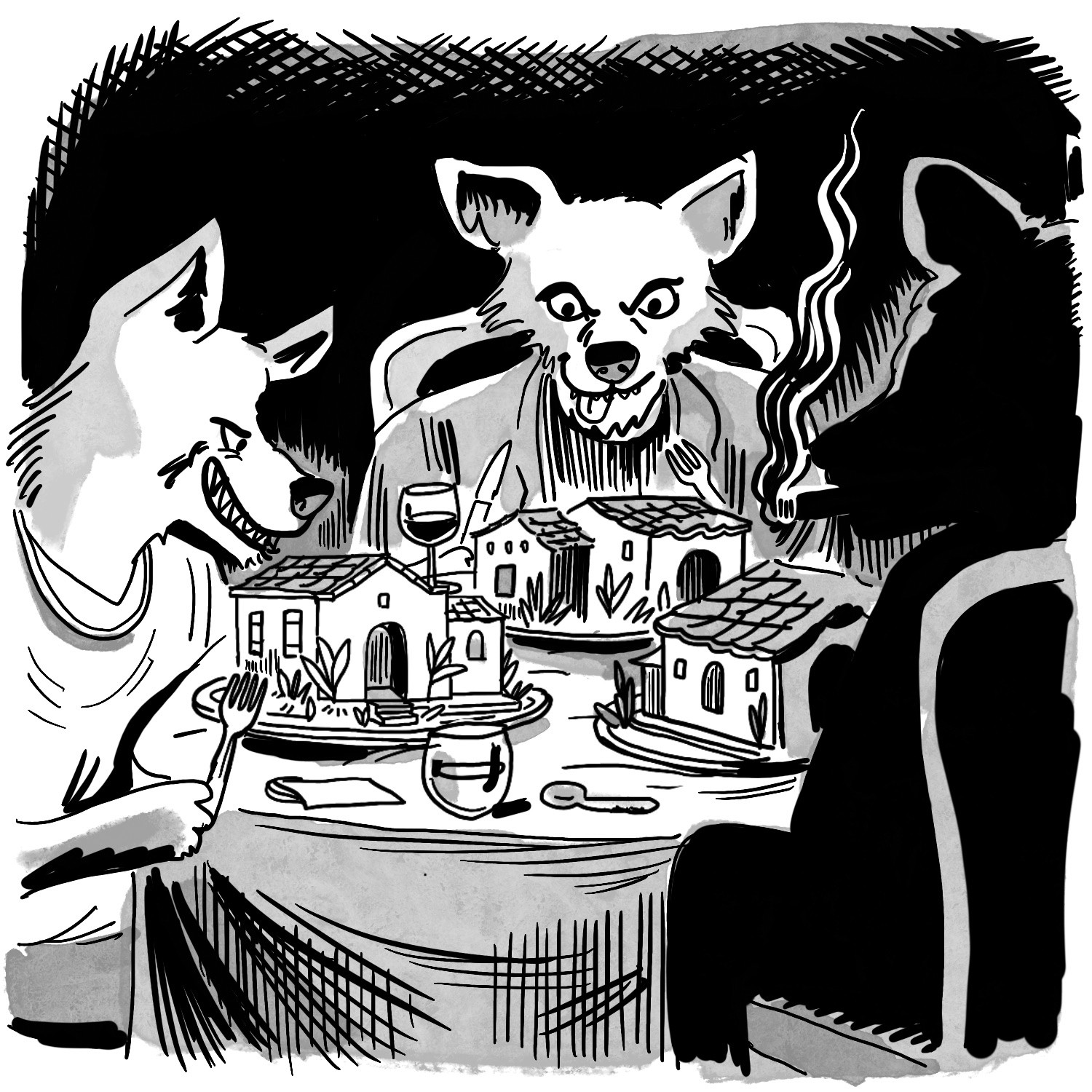
“TIC’d Off” by Chelsea Kirk, LARA #2
TIC is the louse-y acronym for “tenancy in common,” a shared property model in which multiple stakeholders hold ownership of a building, each tied to a specific unit. Tenancy in common sounds cooperative, even faintly utopian. The reality, as writer and tenant organizer Chelsea Kirk shows, is rather more pestilent. Fluent in the fine print of housing policy and fearless in naming the instruments and agents (including an actual real estate agent, sobriquet The Rental Girl) of displacement, Kirk takes a dry legal structure and reveals how it is quietly draining LA’s pool of rent-stabilized housing, converting homes into speculative assets and neighbors into liabilities.
—Chloe Wyma, Deputy Editor
“Where the Sidewalk Ends” by Andy Battle and “Modernism Without the Meat Axe” by Samuel Stein, NYRA #45
I am particularly proud that we published a pair of trenchant pieces taking the ghost of Jane Jacobs to task. First, Samuel Stein’s review of Owen Hatherley’s book Walking the Streets/Walking the Projects: Adventures in Social Democracy in NYC and DC : “Hatherley’s brilliance is not just in identifying and skewering the ideological waters in which New Yorkers unwittingly swim, but in using its primary methodology against its primary antagonist: That is, he learns the city by walking its streets and making observations—the very means New York Ideologists like Jacobs prescribe—but he walks those streets to see the things they most reject—The Projects, or any big, totalizing development, especially mid-twentieth-century social housing complexes.” And then, Andy Battle’s Wrecking Ball on the Death and Life of Great American Cities: “One can read all 450 pages of Death and Life without grasping the urgency of the city’s postwar housing crisis, when the vacancy rate dipped to 0.8 percent and hundreds of thousands of units lacked heat and private toilets.” Together, Stein and Battle build a compelling case for a return to ambitious urban policy.
—Nicolas Kemper, Publisher
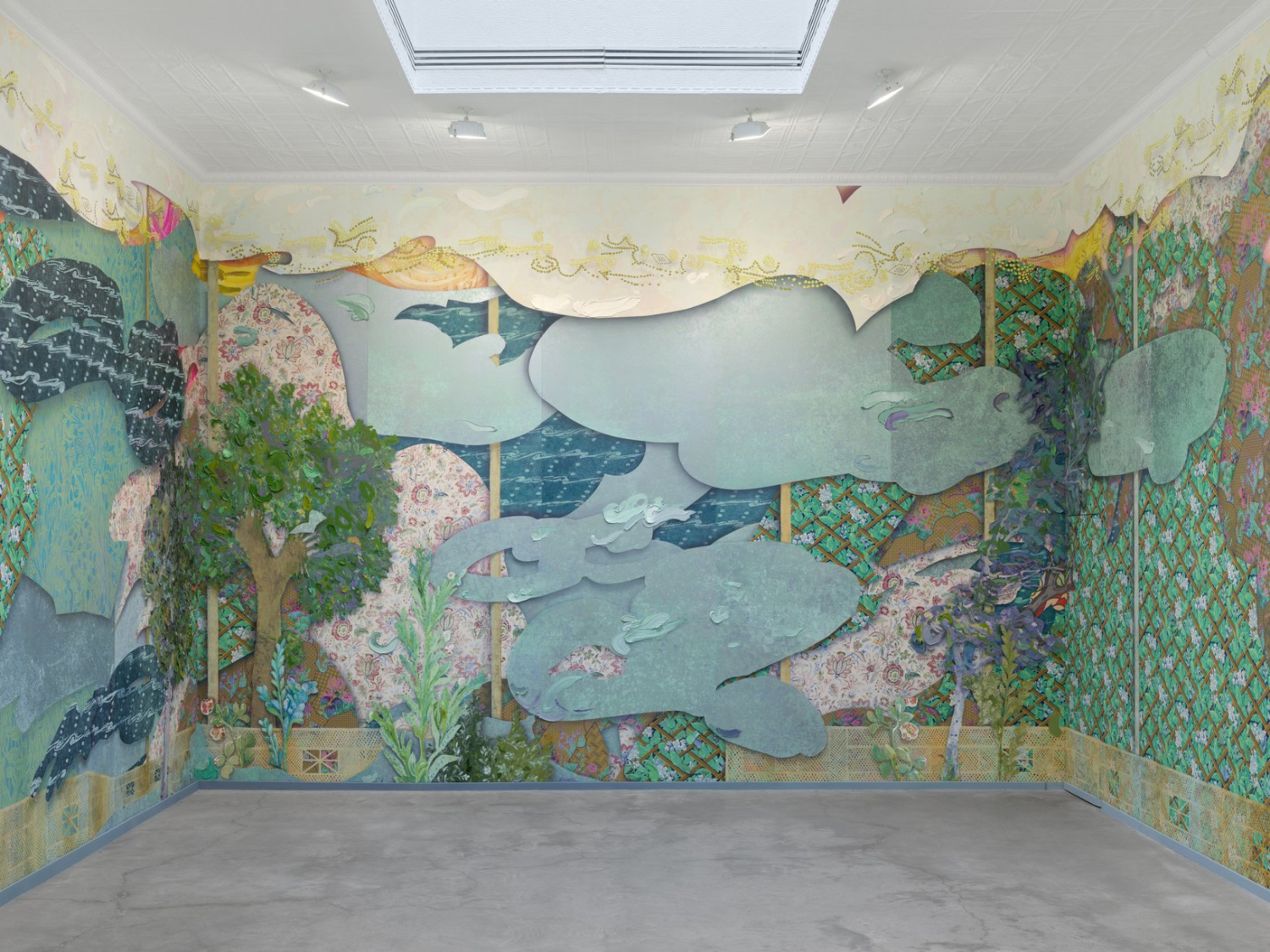
“Immersion Bender” by Phil Coldiron, NYRA #46/47
Lest we forget, this magazine is not only a New York Review but one of Architecture. Which can mean, as NYRA’s pages catalogue, the streets, the subterranean, the firmament, and, it should be said, buildings. I love Phil Coldiron’s “Immersion Blender,” a review of last year’s Laura Owens at Matthew Marks, because it is about the space made by Owens’s paintings and her paintings as stuff in space. With prose as thickly laid as these canvases, Coldiron considers how immersion has become a “tedious fact of visual culture” and asks how a painting can protrude (or contract) newly. His encounter with Owens provides a way to not just think about her work, but architecture writ large, as capacious as that quadrisyllabic may be.
—Olivia Oldham, Editorial Assistant
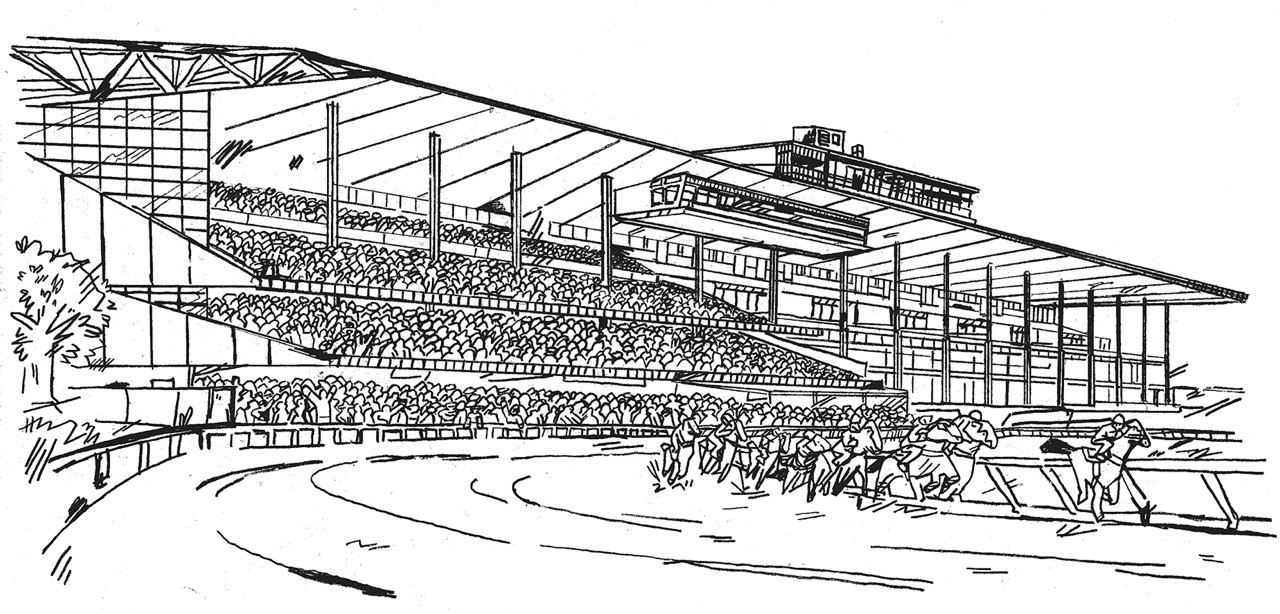
“Don’t Scare the Horses” by Nick Murray, NYRA #38/39
There’s a charm in twentieth-century New York that it is hard to see in our accelerated landscape. Nick Murray channels that recent antiquity, even just for a moment, in his (unwitting at the time) eulogy for the Aqueduct Racetrack in Ozone Park. The track, though currently active, will hold its final races later this summer, before Aqueduct shuts its doors for good. Nick brings his anecdotes of Aqueduct to a sympathetic portrait of a place that is disappearing in the face of casinos and resorts. It’s one of the few pieces about sports facilities NYRA has published—more entries in this microgenre coming this summer!
—Michael Piatini, Distribution Coordinator
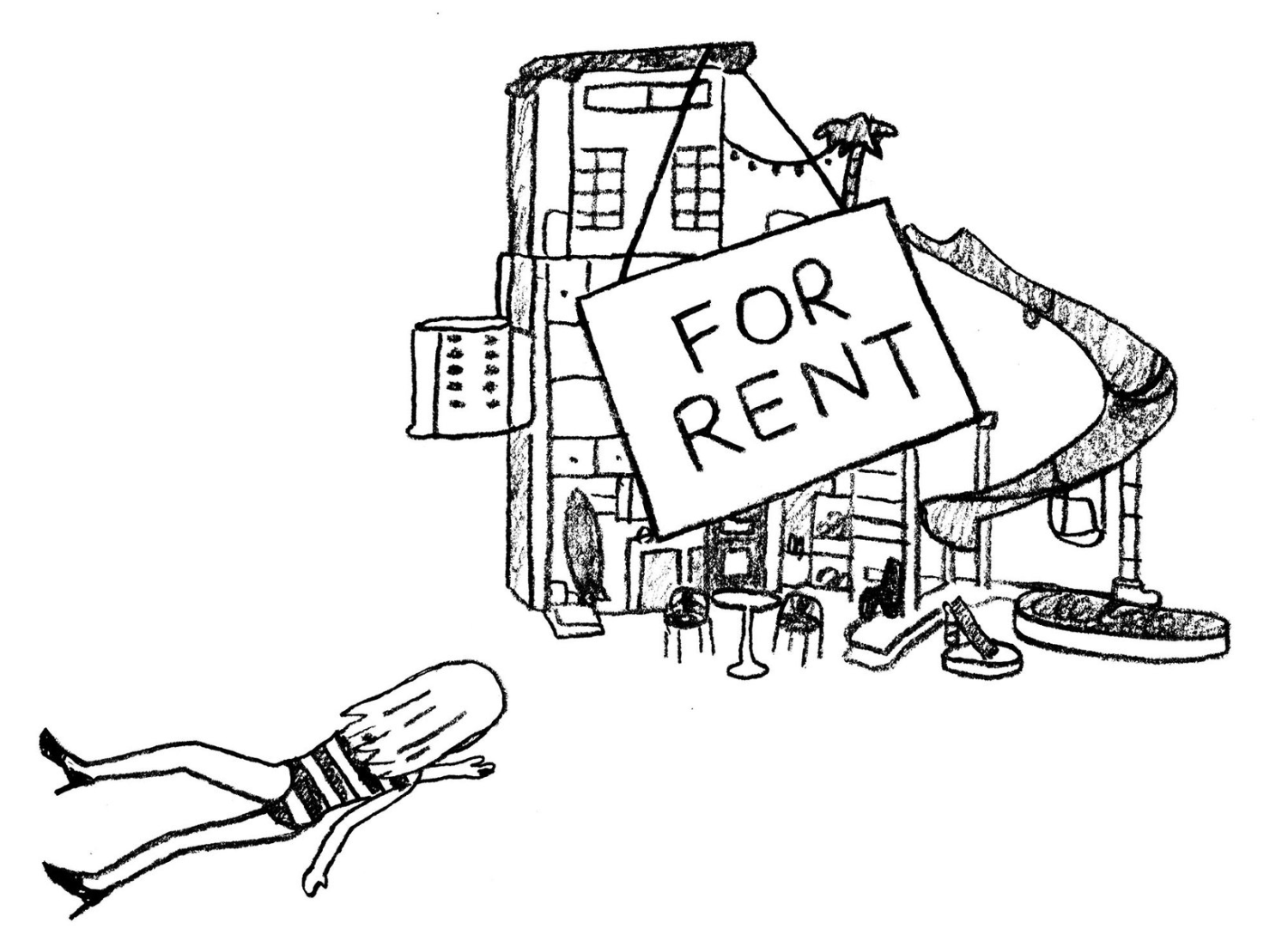
“Hype House” by Claudia Ross, NYRA #37
Claudia Ross’s “Hype House,” about the Barbie Dreamhouse, is still such a good example of what NYRA writers are great at: taking a familiar object, maybe even an overfamiliar one, and adding so many layers of history and context that it becomes entirely new. And Claudia is so excellently incisive; her writing is voracious, engaging with media theory, anthropology, ethnography—even Tiny House Nation gets deep consideration. “As they play with Barbie and her house, children themselves occupy the doll’s most prominent role—not wife or mother, but buyer.” I mean, come on!
—Marianela D’Aprile, Contributing Editor
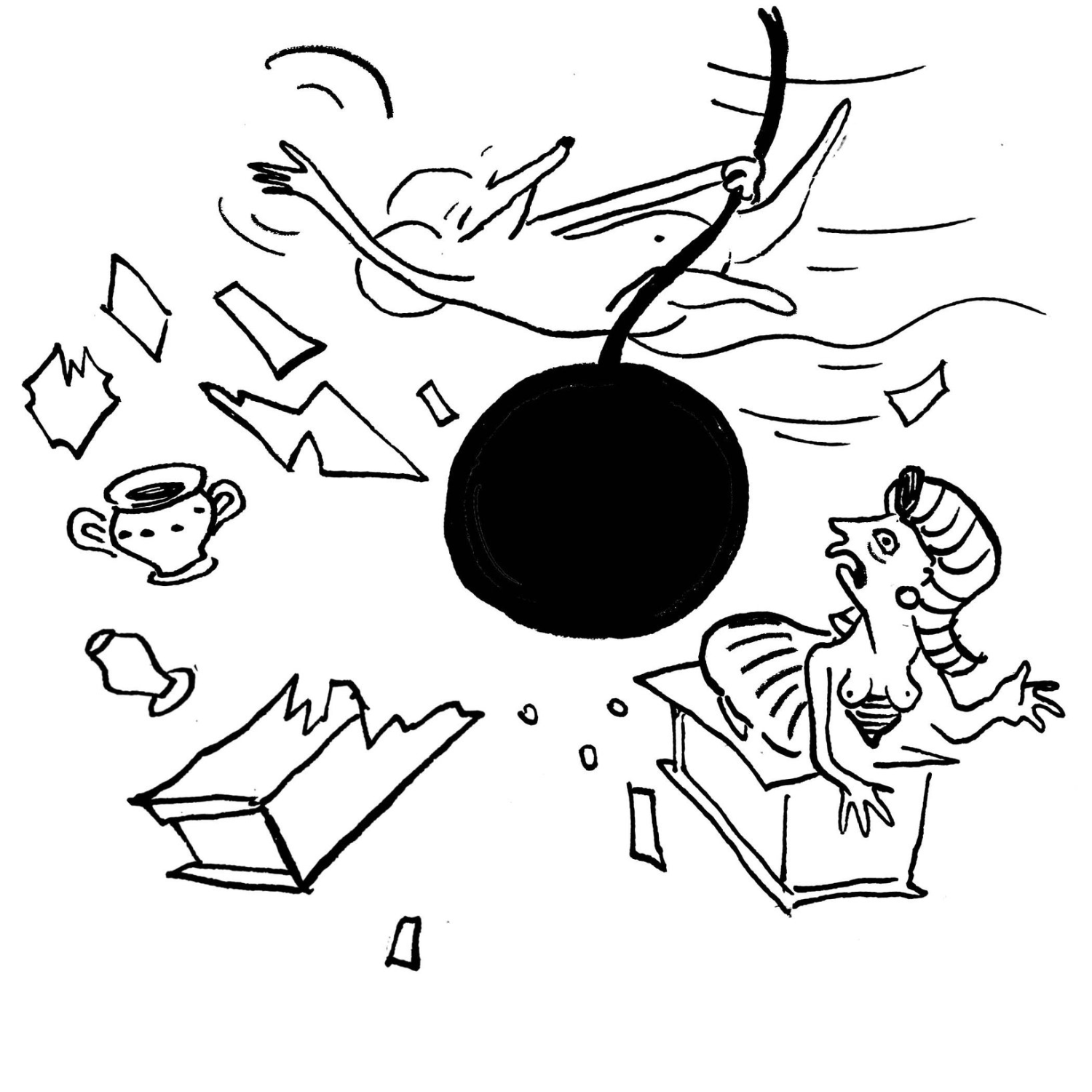
“Garden Tools” by Charlie Dulik, NYRA #46/47
Recently at a reading uptown, I found myself captive to a declaration of love for Elizabeth Street Garden. While the room erupted with applause, I was tempted to commandeer the mic and recite the entirety of Charlie Dulik’s incisive “Garden Tools,” which in my mind does much of what NYRA does best: reappraises lazily lobbed-about points with unsparing precision and heart. Underlying this piece about “the ideological incoherence of the pro-garden coalition” is genuine affection for the working people of New York. To the former group, it poses a pertinent question for Valentine’s Day: Why does your love for the city stop short of its actual residents?